Payment Solutions Enabling Fluid Transitions Between Practice Modes and Live Casino Play
Written by Erik Powell · Aug 8, 2026
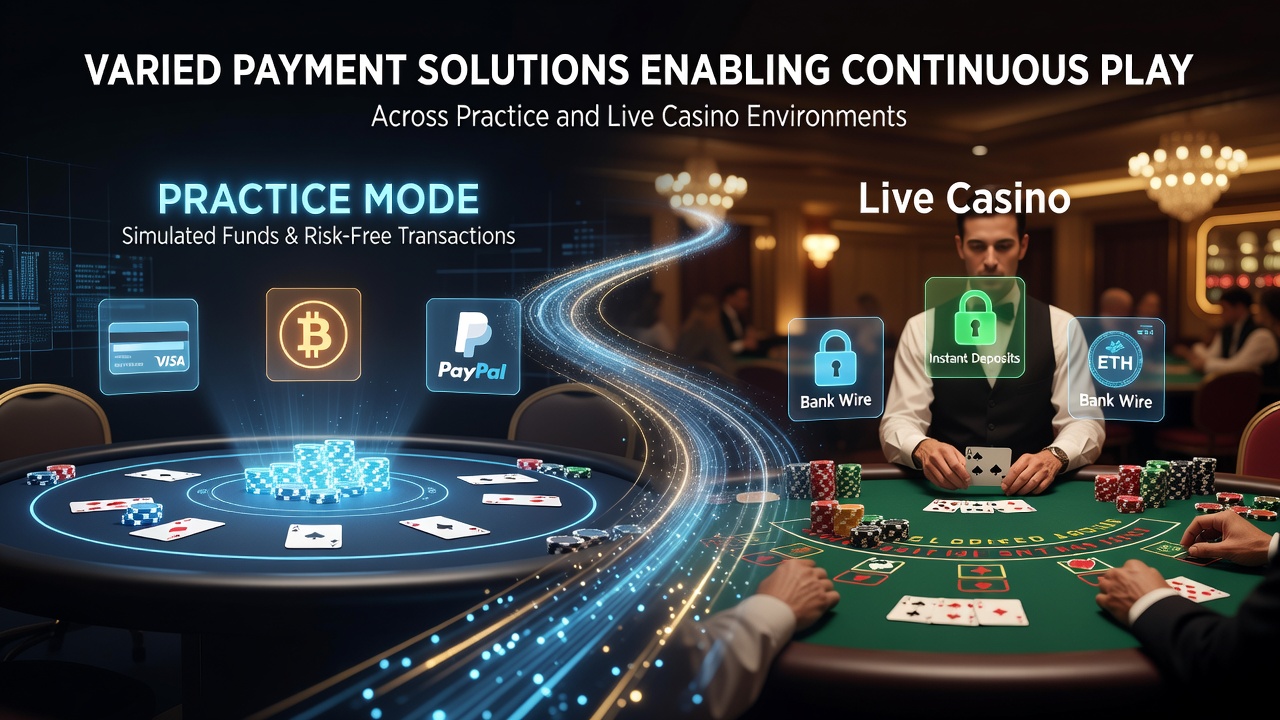
Payment Solutions Enabling Fluid Transitions Between Practice Modes and Live Casino Play
Payment solutions have evolved to support uninterrupted sessions that move players from free practice environments into live dealer tables without interruption, and this integration relies on instant verification systems, multi-currency wallets, and automated balance transfers that keep funds accessible across both formats. Research from industry reports indicates that operators now deploy unified payment gateways capable of handling virtual credits in demo modes while converting those same accounts to real-money status once users opt into live play, which reduces friction and maintains session momentum.
Core Payment Methods Supporting Cross-Format Continuity
Electronic wallets such as those offered by established providers allow users to preload balances that function identically whether spinning demo reels or joining live blackjack tables, while credit and debit card integrations provide direct top-ups that appear in both practice and real environments within seconds. Cryptocurrency options have gained traction because blockchain confirmations enable near-instant deposits that carry over seamlessly, and this matters in August 2026 as more platforms expand crypto support to accommodate players shifting between modes during peak hours. Bank transfer solutions, although slower for withdrawals, facilitate scheduled funding that keeps practice accounts topped up and ready for conversion when live sessions begin.
Technical Integration Across Practice and Live Platforms
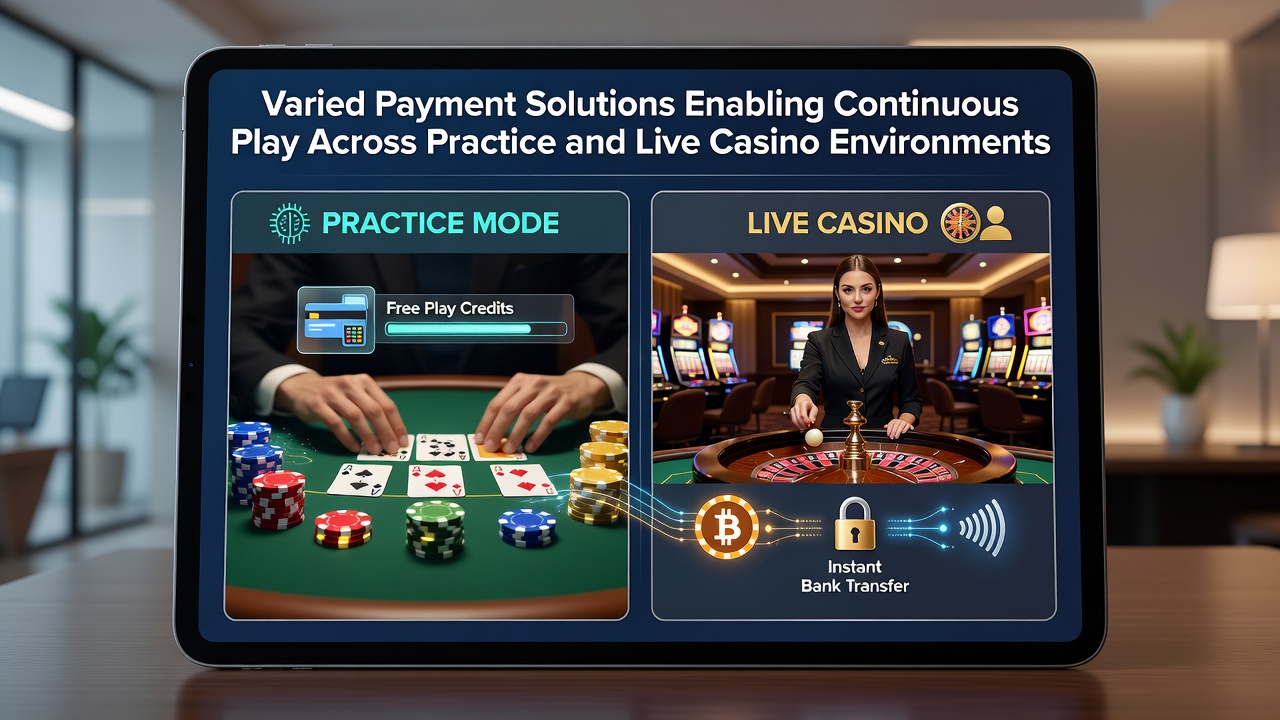
Operators achieve continuity through API connections that sync user wallets in real time, so a deposit made during a demo session immediately updates the live casino balance without requiring separate logins or additional verification steps. Data from regulatory filings shows that platforms using these unified systems report higher retention rates because players avoid the delays traditionally associated with switching between free and paid environments, and this holds true across mobile applications as well as desktop interfaces. Security protocols including tokenization and two-factor authentication operate consistently regardless of play mode, which protects accounts while preserving the flow from practice to live action.
Observers note that instant payout features further enhance this continuity because winnings from live tables can transfer back into the same wallet used for demo funding, allowing players to resume practice sessions immediately or re-enter live games without cash-out interruptions. What's interesting is how these mechanisms handle regional currency conversions automatically, so international users maintain consistent balances across both formats even when regulatory requirements differ by jurisdiction.
Regional Approaches and Industry Standards
Authorities in various regions have established guidelines that encourage payment interoperability, with the Nevada Gaming Control Board requiring systems that support seamless account management between testing environments and actual wagering platforms. Similar frameworks appear in Australian state regulations where operators must demonstrate that payment solutions allow continuous access without mode-specific barriers, and these rules have prompted wider adoption of standardized wallet technologies. Academic studies from research institutions such as those affiliated with the University of Nevada, Reno, have examined how these integrations affect player behavior, revealing that unified payment structures correlate with extended engagement periods across both practice and live formats.
Trade organizations including the European Gaming and Betting Association have documented the rise of hybrid payment processors that bridge demo and live ecosystems, noting that such tools became more prevalent by mid-2026 as mobile traffic increased. These processors handle everything from small practice top-ups to larger live stakes through the same interface, which simplifies operations for providers while giving users one account to manage throughout their experience.
Future Developments in August 2026
By August 2026, several platforms have introduced biometric-linked wallets that verify identity once and then permit instant mode switching, and this advancement builds on earlier token systems to further reduce any remaining delays between practice and live play. Industry reports highlight ongoing trials of AI-driven fraud detection that operates across both environments without interrupting transactions, ensuring that continuous sessions remain secure as volumes grow. Those who have studied these trends recognize that the combination of faster settlement times and broader payment variety continues to shape how operators structure their offerings around uninterrupted access.
Practical Examples of Continuous Play Implementation
Take one operator who integrated e-wallet and crypto options into a single dashboard, allowing users to fund demo accounts with the same credentials used for live roulette, and figures from their quarterly disclosures show reduced drop-off rates during mode transitions. Another case involves a platform that added scheduled bank transfers specifically for live environments while maintaining instant card options for practice sessions, creating balanced funding paths that accommodate different player preferences without breaking session flow. These examples illustrate how varied solutions address distinct needs while preserving overall continuity.
Conclusion
Varied payment solutions have become essential infrastructure for platforms seeking to deliver continuous play between practice and live casino settings, with technical integrations, regional standards, and emerging technologies all contributing to smoother experiences as of August 2026. Data indicates sustained growth in unified wallet adoption, and this pattern suggests further refinements will keep emerging to support the same seamless transitions across expanding markets.