Payment Pathways: Linking Practice Reels to Live Dealer Engagements Through Strategic Funding
Written by Theo Zimmermann · Aug 11, 2026
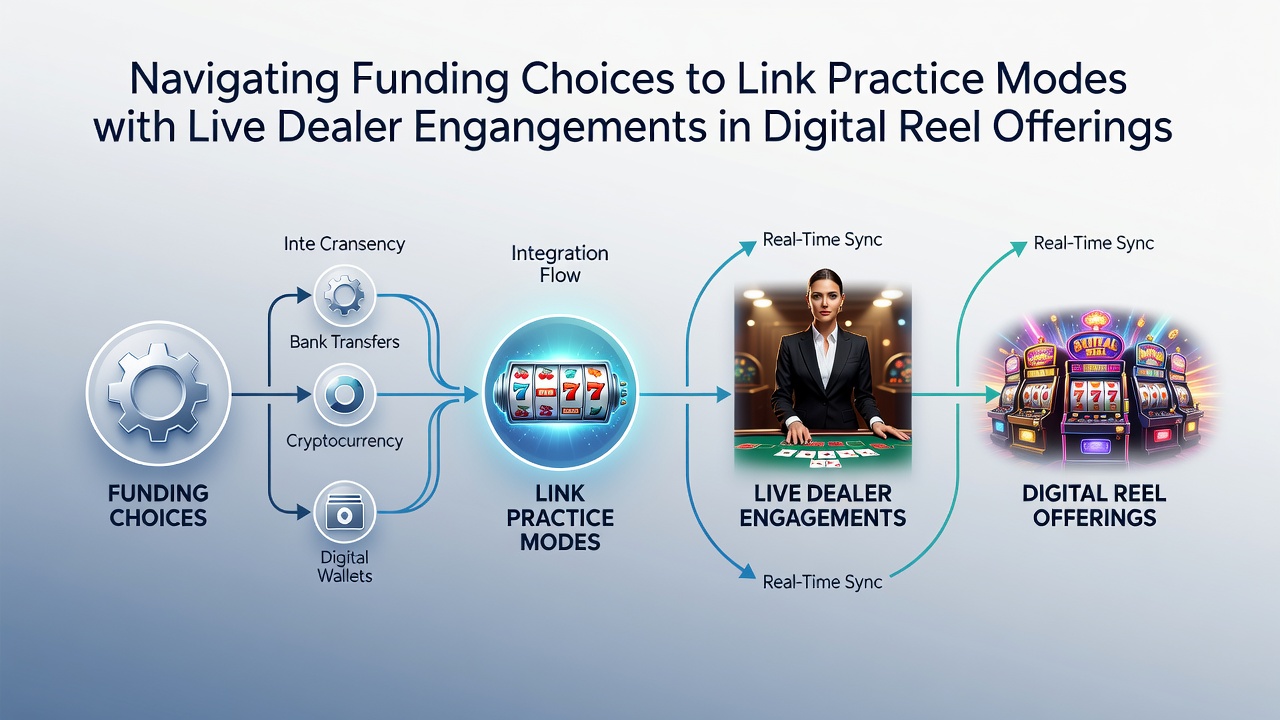
Payment Pathways: Linking Practice Reels to Live Dealer Engagements Through Strategic Funding
Digital reel platforms have expanded options for users who start in practice modes before moving into live dealer sessions, and funding choices play a central role in making those shifts possible without unnecessary friction. Research indicates that payment systems supporting instant verification and low-fee transfers help maintain continuity between free reel spins and real-time dealer interactions, while data from industry reports shows that e-wallets and prepaid cards often reduce processing delays compared with traditional bank wires. Observers note that platforms offering multiple deposit types allow players to test different reel mechanics in demo environments and then apply the same funding method when entering live dealer tables, creating a consistent experience across both formats.
Core Funding Methods and Their Role in Mode Transitions
Credit and debit cards remain widely used because they integrate with most digital reel sites through secure gateways that verify accounts in seconds, and this speed supports users who want to move directly from practice reels to live dealer tables without waiting for additional approvals. E-wallets such as those provided by established services add another layer by storing payment details separately from bank accounts, which reduces the need to re-enter information when switching between demo and funded play. Bank transfers, though slower in some regions, provide higher transaction limits that suit players scaling up from small practice bets to larger live dealer wagers, and studies have found that platforms combining these options report higher retention rates during the transition phase.
Seamless Integration Examples in August 2026
In August 2026, several platforms updated their systems to allow a single funding source to cover both practice reel top-ups and live dealer entries, and this change addressed previous gaps where users had to create separate accounts for each mode. Those who studied user behavior during that period found that instant payout features tied to the same payment method encouraged continued engagement after the initial switch from demo to live play. What's interesting is how prepaid vouchers and cryptocurrency options gained traction in certain markets because they bypass some regional banking restrictions while still linking practice sessions to real-money dealer tables through unified wallets.
According to figures released by the Nevada Gaming Control Board, transaction volumes for hybrid play increased notably in mid-2026, reflecting broader adoption of funding tools that support both reel formats. This growth occurred alongside updates to verification protocols that confirm user identity once and apply it across practice and live environments, reducing repeated checks that previously interrupted flow.

Regulatory and Technical Considerations Across Regions
Regulators in multiple jurisdictions require that funding methods used for live dealer engagements meet the same security standards applied to practice mode deposits, and this alignment prevents discrepancies that could affect player funds during transitions. Technical integrations such as API connections between payment processors and game servers enable real-time balance updates, so users see their practice reel results carry over when they fund a live dealer session with the same account. Research from academic sources, including reports linked to the University of Sydney's gambling studies unit, highlights that clear disclosure of fees and processing times helps users select methods that maintain momentum between the two play types.
Those who examined platform data in 2026 observed that regions allowing cryptocurrency deposits experienced faster shifts from demo reels to live dealer tables, whereas areas relying primarily on card payments sometimes encountered additional verification layers. Yet the core pattern remained consistent: funding choices that support both instant deposits and withdrawals tend to reduce drop-off rates when players decide to engage live dealers after practicing reel mechanics.
Practical Steps for Users Exploring These Connections
Users typically begin by selecting a payment method compatible with both practice and live environments, then verify the account once to unlock transfers across modes. Many platforms display funding options directly on the transition screen between demo reels and live dealer lobbies, and this visibility helps avoid separate searches that break concentration. Data shows that combining a primary e-wallet with a backup card option provides flexibility when one method faces temporary limits during peak hours in August 2026.
Industry organizations such as the Alcohol and Gaming Commission of Ontario have documented that platforms emphasizing unified payment flows report smoother user progression from free reel practice to funded live dealer sessions. Observers note that these integrations rely on backend systems that track balances separately for each mode while drawing from the same external funding source, which simplifies reconciliation for both players and operators.
Conclusion
Funding choices that connect practice modes with live dealer engagements continue to shape how digital reel offerings operate, and the available methods range from established cards to newer digital currencies. Evidence from regulatory and academic sources demonstrates that seamless payment integration supports user movement between the two formats while meeting security requirements across different regions. As platforms refine these pathways, the emphasis remains on verification speed, fee transparency, and consistent balance handling that allows practice reel results to inform decisions in live dealer settings.