From Practice Sessions to High-Stakes Play: Tracing Payment Pathways in Virtual Casino Environments
Written by Erik Powell · Aug 6, 2026
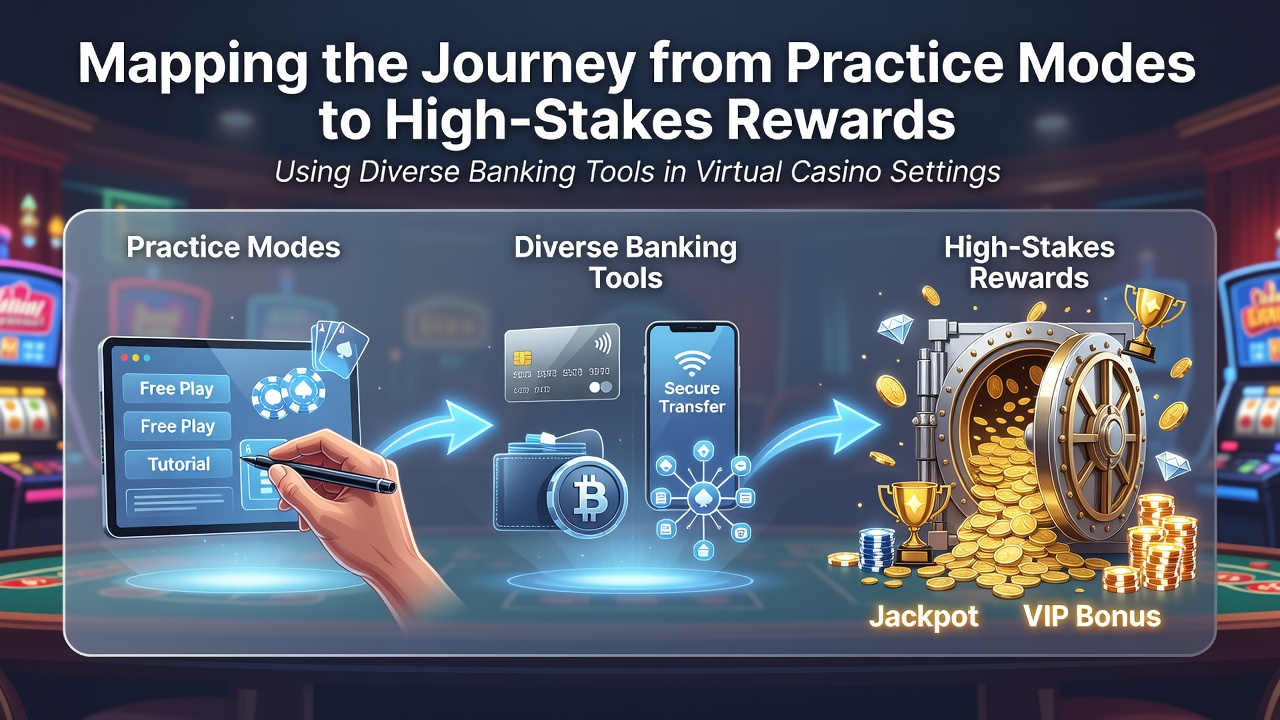
From Practice Sessions to High-Stakes Play: Tracing Payment Pathways in Virtual Casino Environments
Virtual casino platforms have developed structured pathways that allow participants to move from practice modes into real-money environments, and these transitions often rely on an array of banking tools that support deposits and withdrawals across different regions. Data from industry reports shows steady growth in user engagement with these systems throughout 2026, particularly as operators refine their interfaces to accommodate both new and returning players.
Understanding Practice Modes in Digital Gaming Platforms
Practice modes, commonly known as demo versions, provide users with simulated gameplay that mirrors the mechanics of live casino titles without requiring financial commitment, and this setup helps individuals familiarize themselves wth rules, bonus features, and interface navigation. Observers note that many platforms integrate these modes directly into their main applications so that players can switch between free sessions and funded accounts seamlessly once they decide to proceed.
Research indicates that participants who spend time in practice environments tend to make more informed choices when selecting banking methods later on, since they already understand payout structures and game volatility. Figures from global market analyses reveal that conversion rates from demo play to real-money activity have increased in several jurisdictions during the first half of 2026, driven partly by improved mobile compatibility and clearer guidance on available payment options.
Diverse Banking Tools That Facilitate the Transition
Once users choose to move beyond practice sessions, they encounter multiple banking instruments that support deposits ranging from small test amounts to larger high-stakes transfers. Credit adn debit cards remain among the most widely accepted methods because they integrate easily with existing financial accounts, yet e-wallets such as Skrill and Neteller offer additional layers of privacy and faster processing times for those who prefer them.
Cryptocurrency options, including Bitcoin and Ethereum, have gained traction in virtual settings where operators accept digital assets for both funding and cashing out, and these tools often appeal to players seeking lower transaction fees during high-volume activity. Bank transfers and prepaid vouchers round out the selection in many regions, providing alternatives for users who want to avoid sharing card details directly with gaming sites. A report issued by the Nevada Gaming Control Board highlights how regulatory frameworks in certain markets encourage operators to maintain multiple payment channels to ensure accessibility and compliance.
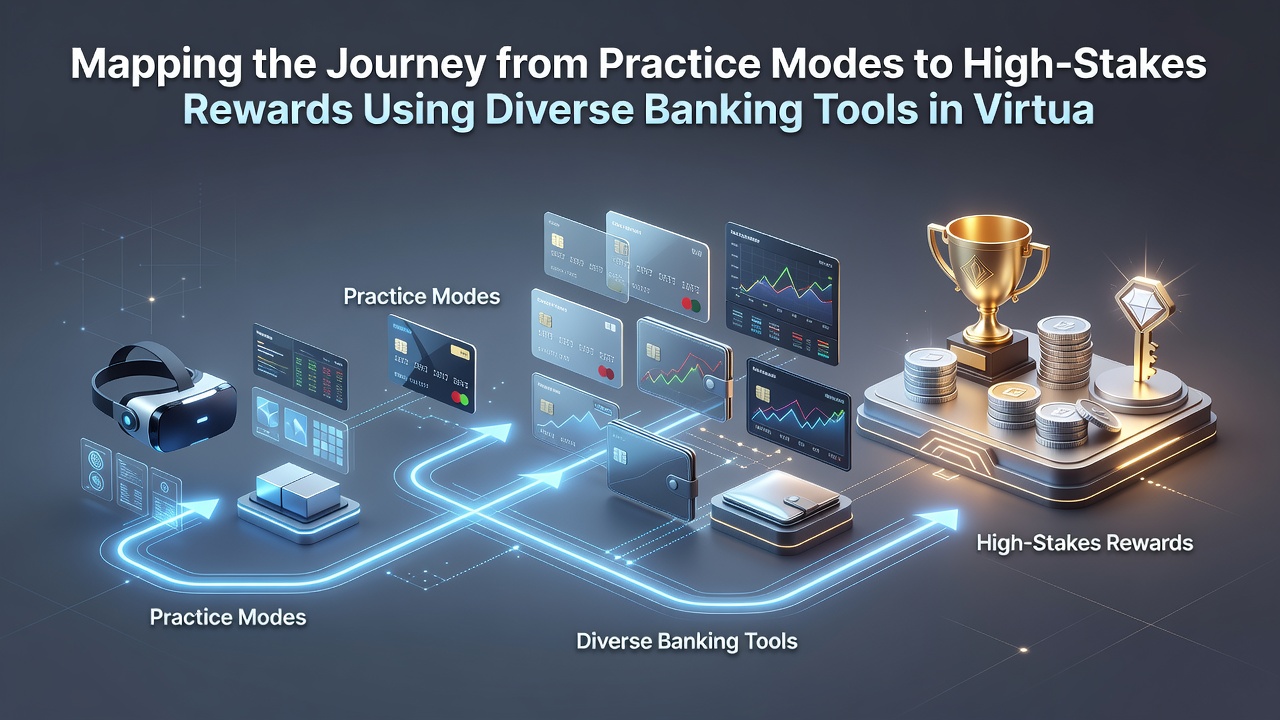
Security Measures and Regulatory Considerations Across Markets
Operators implement encryption protocols and two-factor authentication to protect transactions as users scale up their activity from practice to high-stakes levels, and these safeguards help maintain trust while complying with varying legal requirements. In August 2026 several platforms updated their verification procedures to align with evolving standards in North America and parts of Asia, resulting in smoother onboarding for players who had previously used demo modes exclusively.
Those who have studied transaction patterns across platforms point out that combining different banking tools can reduce exposure to single-point failures, for instance by splitting deposits between an e-wallet and a cryptocurrency address. Industry organizations such as the European Gaming and Betting Association have published guidelines that encourage transparency around processing times and fees, which in turn supports more confident movement from free play into real-money environments.
Case Examples of Payment Integration in Action
Take one platform that introduced layered bonus structures tied directly to specific deposit methods, where users completing their first funded transaction via an e-wallet received accelerated access to progressive jackpot pools. Another operator in the Asia-Pacific region reported that cryptocurrency deposits accounted for a growing share of high-stakes activity during mid-2026, coinciding with expanded practice-to-real conversion features on mobile applications.
These examples illustrate how banking tool diversity can influence player progression without altering the underlying game mechanics that users already explored in demo modes. Academic studies from institutions examining digital entertainment economics have documented similar patterns, noting that accessible payment pathways correlate with higher retention rates once participants cross the threshold into real-money play.
Conclusion
The journey from practice modes to high-stakes rewards in virtual casino settings depends heavily on the availability and reliability of diverse banking tools that accommodate different user preferences and regional regulations. Evidence continues to show that platforms offering clear integration between demo experiences and funded accounts, supported by secure and varied payment options, sustain broader participation throughout 2026 and beyond.